Controversial Bloomington Warehouse Projects goes before the San Bernardino Court over Discriminatory Housing Claims
SAN BERNARDINO, CA — Community advocates and residents will gather at the San Bernardino Justice Center as the controversial Bloomington Business Park warehouse project returns to court over claims that the development violates fair housing and civil rights protections. The press conference will take place on Friday, June 5, 2026 from 9:00 to 9:45 AM on the courthouse steps of the Superior Court of California, County of San Bernardino, located at 247 W. Third Street in San Bernardino.
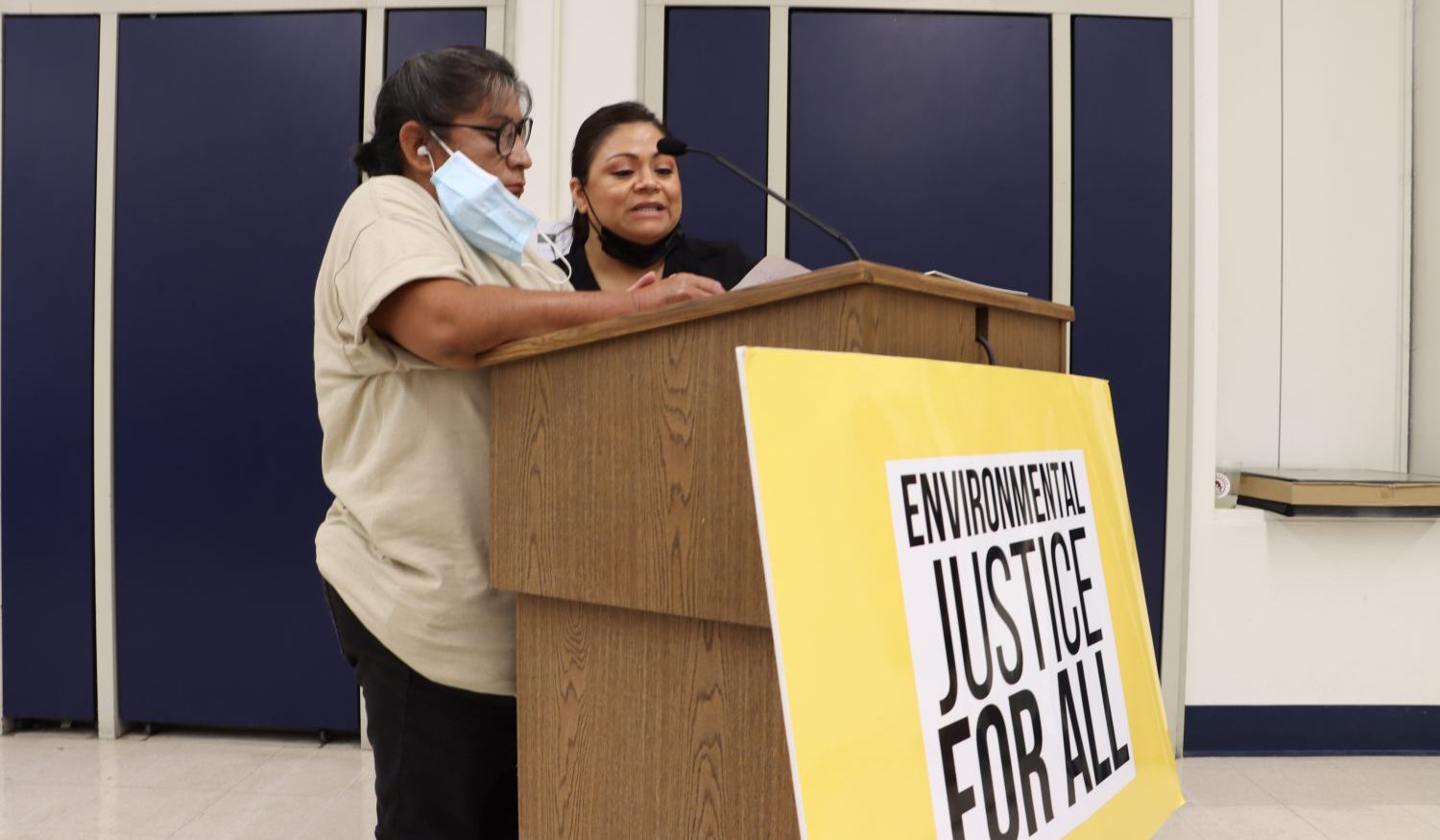
Speaking at the event will be Tania Gonzalez of The People’s Collective for Environmental Justice, along with former Bloomington residents Felipe Ortiz and Fatima Ortiz, and current resident Xochitl Pedraza. A speaker will also present findings from the recent Region in Crisis report, which documents the widespread impacts of warehouse expansion across the Inland Empire.
The June 5 hearing marks a significant moment in the ongoing fight over the Bloomington Business Park project, one of the most contentious warehouse developments in the region. The lawsuit argues that approving a project that would demolish more than 100 homes in a predominantly Latino, working‑class community while increasing pollution and displacement raises serious civil rights and housing justice concerns. The court has already ruled that San Bernardino County violated the California Environmental Quality Act and ordered the County to redo its environmental review. Advocates are now asking the court to determine whether the County also failed to meet its legal obligation to affirmatively further fair housing, a decision that could set an important precedent for how local governments balance economic development with fair housing and environmental justice protections.
At the center of the case is whether communities like Bloomington can be protected from projects that eliminate affordable housing, deepen segregation, and concentrate environmental harms in neighborhoods that have long borne the burdens of industrial development. The situation reflects a broader regional crisis. Across the Inland Empire, warehouse expansion continues to replace housing, increase truck traffic, and intensify pollution in low‑income communities of color, even as the region faces a severe housing shortage and growing public health concerns. As outlined in the Region in Crisis report, Bloomington is not an isolated example but part of a larger pattern of industrial growth that prioritizes warehousing over housing, health, and community well‑being.